Anaphylaxis is a medical emergency that strikes fear into the hearts of families managing food allergies. This severe, potentially life-threatening allergic reaction can progress rapidly from initial symptoms to respiratory distress, cardiovascular collapse, and—without prompt treatment—death. For Wisconsin families living with food allergies, understanding anaphylaxis isn’t optional—it’s essential knowledge that could save a life.
The statistics are sobering: food allergies are the leading cause of anaphylaxis treated in emergency departments, accounting for approximately 40% of anaphylactic reactions in the United States. Each year, roughly 200,000 Americans require emergency medical care for allergic reactions to food. While fatalities from food-induced anaphylaxis are relatively rare—estimated at 150-200 deaths annually nationwide—each death represents a preventable tragedy, often occurring when epinephrine wasn’t administered quickly enough or at all.
Wisconsin families dealing with severe food allergies face unique challenges. The state’s strong food culture, from Friday fish fries to cheese curds at festivals, creates numerous social situations where food is central. Rural areas may be far from emergency medical facilities, making rapid recognition and treatment of anaphylaxis even more critical. Understanding what anaphylaxis is, recognizing its symptoms, knowing how to respond, and implementing long-term prevention strategies empowers families to manage this serious condition while maintaining quality of life.
This comprehensive guide provides Wisconsin families with the knowledge needed to recognize, treat, and prevent anaphylaxis, ensuring they’re prepared for emergencies while understanding how to minimize risks in daily life.
What Causes Anaphylaxis
Anaphylaxis occurs when the immune system overreacts dramatically to a substance it perceives as dangerous, even though that substance is actually harmless to most people. Understanding what triggers these severe reactions helps families identify and avoid risk factors.
Food triggers
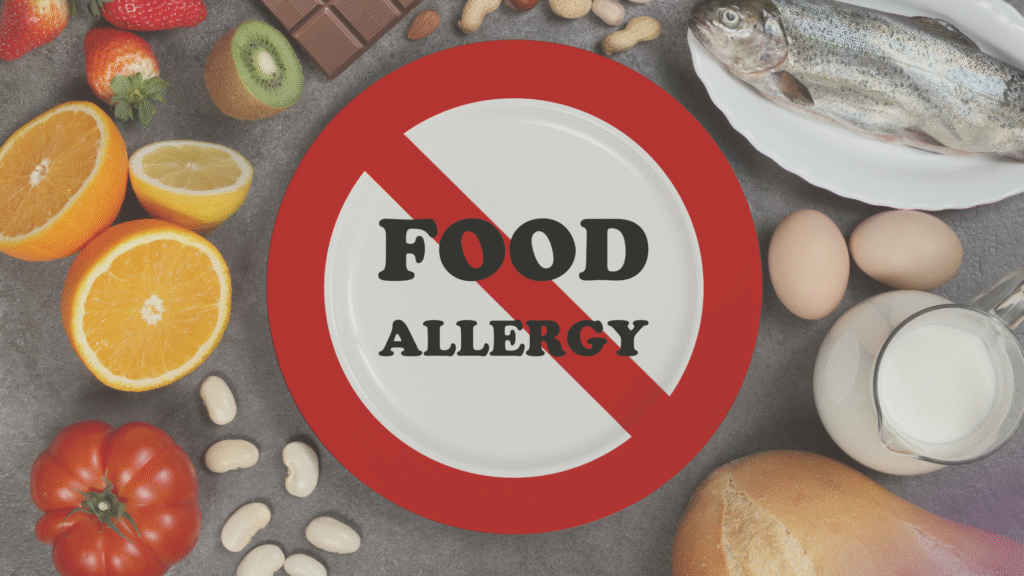
Among children, eight foods account for approximately 90% of food-induced allergic reactions, including anaphylaxis: milk, eggs, peanuts, tree nuts, soy, wheat, fish, and crustacean shellfish. Sesame was added to this list as the ninth major allergen in 2023, reflecting its increasing recognition as a significant trigger.
However, not all of these allergens pose equal anaphylaxis risk. Peanuts, tree nuts, fish, and shellfish are most commonly associated with severe, life-threatening reactions. These allergens tend to cause more intense immune responses and are less likely to be outgrown compared to milk or egg allergies, which many children eventually tolerate as their immune systems mature.
Peanut allergy affects approximately 1-2% of children in the United States and is the leading cause of fatal and near-fatal food-induced anaphylaxis. What makes peanut allergy particularly dangerous is the severe reactions that can occur from even trace exposures. Someone with severe peanut allergy might experience anaphylaxis from residue on shared equipment, airborne particles in facilities processing peanuts, or cross-contact with surfaces that previously touched peanuts.
Tree nut allergies—including reactions to walnuts, cashews, almonds, pecans, pistachios, hazelnuts, and macadamia nuts—similarly carry high anaphylaxis risk. Individuals allergic to one tree nut are often allergic to multiple tree nuts, though not always to all of them. The varying proteins in different nuts mean each must be tested and evaluated individually.
Shellfish allergy, which typically develops in adolescence or adulthood rather than childhood, frequently triggers severe reactions. This category includes crustaceans like shrimp, crab, and lobster, as well as mollusks such as clams, oysters, and squid. Wisconsin’s Friday fish fry tradition means shellfish and finned fish are prevalent in restaurant settings, requiring vigilance from those with these allergies.
Milk and egg allergies, while common in young children, less frequently cause anaphylaxis compared to nuts or shellfish. However, severe reactions can still occur, particularly in children with histories of significant reactions or those with concurrent asthma, which increases anaphylaxis risk. Many children outgrow milk and egg allergies by school age, though those with persistent allergies into later childhood may be less likely to achieve tolerance.
The severity of previous reactions doesn’t always predict future reaction severity. Someone who has experienced only mild symptoms in the past could potentially have a severe reaction upon subsequent exposure. This unpredictability is why all IgE-mediated food allergies are taken seriously, with epinephrine prescribed even for patients who haven’t yet experienced anaphylaxis.
Beyond the major allergens, any food can theoretically trigger anaphylaxis in sensitized individuals. Less common culprits include seeds (sesame, sunflower, poppy), fruits (particularly in individuals with oral allergy syndrome who have reactions beyond the typical mild oral symptoms), legumes other than peanuts, and various spices. Wisconsin allergists evaluate each patient’s specific sensitizations rather than making assumptions based only on common allergens.
Cross-contact
Cross-contact, sometimes called cross-contamination, occurs when an allergen is unintentionally transferred from one food or surface to another. For individuals with severe allergies, cross-contact represents one of the most common causes of accidental reactions, including anaphylaxis.
Manufacturing environments create significant cross-contact risk. Food processing facilities often handle multiple products on shared equipment. Even with cleaning between production runs, trace amounts of allergens can remain. This is why food labels include precautionary statements like “may contain” or “processed in a facility that also processes” specific allergens. While these warnings are voluntary and sometimes used overly cautiously for legal protection, they reflect real risks that individuals with severe allergies must consider seriously.
Restaurant kitchens pose substantial cross-contact challenges. Shared fryers cook both allergen-free and allergen-containing foods—for instance, french fries might be cooked in the same oil as breaded fish or onion rings containing wheat. Grills, cutting boards, knives, and other utensils touch multiple foods throughout service. Even when restaurant staff try to accommodate allergies, the fast-paced kitchen environment makes complete allergen separation difficult.
Wisconsin’s beloved fish fry tradition exemplifies these challenges. Restaurants serving fish fries typically use shared fryers for multiple items, shared preparation surfaces, and the same utensils. Someone with shellfish allergy might assume the fish itself is safe while not realizing the fryer was also used for shrimp. Someone with wheat allergy might not consider that breading particles contaminate the oil even if they order unbreaded fish.
Home kitchens aren’t immune to cross-contact issues. Families managing food allergies must implement careful protocols: using separate cutting boards and utensils for allergen-free food preparation, thoroughly cleaning surfaces between preparing different foods, storing allergenic and safe foods separately to prevent drips or spills from contaminating safe items, and preparing the allergic individual’s food first, before allergens are introduced into the cooking environment.
Social situations create particularly difficult cross-contact scenarios. Potluck dinners, buffets, and shared appetizers all involve multiple foods in close proximity, shared serving utensils, and uncertainty about ingredients and preparation methods. Well-meaning friends and relatives may not understand the seriousness of cross-contact, assuring allergic individuals that food is “safe” without realizing their stirring spoon touched an allergen moments earlier.
School and workplace settings present daily cross-contact risks. Shared tables in cafeterias, communal refrigerators, coffee stations with shared milk pitchers, and snack areas all harbor potential for allergen transfer. Even doorknobs, light switches, and keyboards can carry food residue that, when touched by allergic individuals who then touch their mouths or eyes, can trigger reactions.
The level of cross-contact that triggers reactions varies by individual. Some people with extremely sensitive allergies react to microgram quantities of allergen—amounts invisible to the naked eye. Others tolerate small amounts of cross-contact without symptoms. This variability means individuals must understand their own threshold through experience and medical evaluation, though erring on the side of caution is always advisable.
Preventing cross-contact requires constant vigilance: reading labels every time even for familiar products because manufacturers change ingredients and processes, asking detailed questions at restaurants about food preparation methods, using dedicated allergen-free equipment at home, teaching children never to share food or utensils, and washing hands thoroughly before eating and after exposure to potential allergens.
Symptoms of Anaphylaxis
Recognizing anaphylaxis quickly is critical because treatment effectiveness decreases as time passes. Understanding both early warning signs and advanced symptoms helps families and bystanders identify emergencies and respond appropriately.
Early signs
Anaphylaxis typically begins within minutes to two hours after exposure to an allergen, though reactions starting within the first 30 minutes tend to be more severe. The earliest symptoms often affect areas where mast cells—the immune cells that release histamine during allergic reactions—are most concentrated: the skin, gastrointestinal tract, and respiratory system.
Skin symptoms are usually the first noticeable signs. Hives (urticaria) appear as raised, red, itchy welts that can vary in size and shape, sometimes merging together. They may start at the site of contact with the allergen or appear anywhere on the body. Flushing, where the skin becomes red and warm, particularly on the face and upper body, commonly accompanies hives. Intense itching, especially of the palms, soles, or scalp, signals histamine release throughout the body.
Oral symptoms frequently occur early, particularly with food allergies. Tingling, itching, or swelling of the lips, tongue, or throat indicates allergic response in the mucous membranes. Some individuals describe a metallic taste or strange sensation in their mouth. These oral symptoms can progress rapidly to more dangerous throat swelling, making early recognition crucial.
Gastrointestinal symptoms including nausea, cramping abdominal pain, vomiting, and diarrhea may develop early in food-induced anaphylaxis. These symptoms reflect allergic response in the digestive tract. While uncomfortable, isolated gastrointestinal symptoms without other system involvement don’t always indicate anaphylaxis, though they warrant close monitoring as they can precede more severe reactions.
Early respiratory symptoms include nasal congestion, sneezing, runny nose, and mild cough. These symptoms might seem like minor allergic responses but can rapidly progress to more serious respiratory compromise. A change in voice quality—becoming hoarse or developing a “tight” quality—suggests swelling in the throat and upper airway.
Anxiety and a sense of impending doom are reported by many individuals during early anaphylaxis. This isn’t merely psychological fear but appears to be a direct physiological response to the massive mediator release during severe allergic reactions. People sometimes describe feeling that “something is very wrong” before they can identify specific physical symptoms.
Behavioral changes, particularly in young children who can’t articulate their symptoms, may signal early anaphylaxis. Children might become suddenly fussy or clingy, complain of feeling tired or “funny,” or exhibit uncharacteristic behavior. Parents who know their children well often recognize these subtle signs that something is wrong.
The critical point about early symptoms is that they can progress rapidly to life-threatening complications within minutes. This is why early treatment, even when symptoms seem mild, is emphasized in anaphylaxis management protocols. Waiting to “see if it gets worse” can be a fatal mistake.
Advanced symptoms
As anaphylaxis progresses, symptoms become more severe and affect multiple body systems. These advanced symptoms indicate serious, life-threatening allergic reactions requiring immediate emergency treatment.
Respiratory distress represents one of the most dangerous aspects of anaphylaxis. Swelling in the throat and tongue can narrow or block the airway, making breathing difficult or impossible. Wheezing—a whistling sound during breathing—indicates airway constriction in the lungs. Shortness of breath or difficulty catching one’s breath signals that adequate oxygen isn’t reaching the lungs. A persistent cough, particularly one that sounds like a bark or a seal, indicates significant airway swelling. Drooling or difficulty swallowing may occur when throat swelling prevents normal swallowing function.
Cardiovascular symptoms emerge as histamine and other mediators cause blood vessels throughout the body to dilate and become leaky. Blood pressure drops precipitously, sometimes to dangerously low levels—a condition called hypotension. This manifests as dizziness, lightheadedness, or feeling faint. The heart races (tachycardia) in an attempt to compensate for dropping blood pressure. Weak pulse, confusion, and loss of consciousness can follow as insufficient blood reaches the brain and other vital organs.
The skin may change dramatically during advanced anaphylaxis. Some individuals become extremely pale or develop a bluish tint to lips and fingernails (cyanosis), indicating inadequate oxygen in the blood. Others exhibit widespread flushing and hives covering large portions of their body. The skin may feel cold and clammy as the body attempts to redirect blood to vital organs.
Gastrointestinal symptoms can intensify, with severe cramping pain, repeated vomiting, and diarrhea. While distressing, these symptoms are secondary concerns compared to respiratory and cardiovascular compromise, though they indicate severe systemic reaction.
The combination of symptoms involving two or more body systems—for example, hives plus difficulty breathing, or vomiting plus lightheadedness—defines anaphylaxis in clinical terms. However, isolated severe symptoms in a single system, such as severe respiratory distress alone, also constitute anaphylaxis requiring immediate treatment.
Loss of consciousness represents a medical emergency indicating that the brain isn’t receiving adequate oxygen due to respiratory compromise, severe hypotension, or both. Unconscious individuals may have seizure-like activity as the brain reacts to oxygen deprivation. This is a critical, life-threatening stage of anaphylaxis.
Biphasic reactions, where symptoms initially improve but then recur hours later without additional allergen exposure, occur in approximately 20% of anaphylaxis cases. This phenomenon means that individuals who receive treatment and improve still require emergency department observation and monitoring, as a second wave of symptoms can develop 4-12 hours after the initial reaction.
The rapidity with which anaphylaxis progresses varies. Some reactions escalate within minutes from first symptoms to life-threatening respiratory or cardiovascular compromise. Others develop more gradually over 30-60 minutes. However, the faster symptoms progress, the more severe reactions tend to be. Reactions beginning within five minutes of allergen exposure are associated with higher risk of fatal outcomes if not treated immediately.
Wisconsin families must understand that anaphylaxis is unpredictable. Previous mild reactions don’t guarantee future reactions will be mild. The same allergen can cause mild symptoms one time and severe anaphylaxis the next. This unpredictability is why preparedness—having epinephrine always available and knowing when to use it—is essential for everyone with food allergies, regardless of reaction history.
Immediate Emergency Steps
When anaphylaxis occurs, swift action saves lives. Every second counts, and having a clear action plan removes hesitation and confusion during a crisis.
Epinephrine
Epinephrine (adrenaline) is the first-line, life-saving treatment for anaphylaxis. No other medication substitutes for epinephrine during severe allergic reactions. Antihistamines like diphenhydramine (Benadryl) may help with mild symptoms but do nothing to prevent or reverse the life-threatening aspects of anaphylaxis—airway swelling, cardiovascular collapse, and shock. Relying on antihistamines during anaphylaxis can be fatal.
Epinephrine works by reversing the physiological changes that occur during anaphylaxis. It constricts blood vessels, raising blood pressure back to safer levels. It relaxes smooth muscles in the airways, opening constricted breathing passages. It reduces swelling in the throat and tongue. It strengthens heart contractions, improving cardiac output. These effects begin within minutes of administration and can literally pull someone back from the brink of death.
Auto-injectors deliver epinephrine through intramuscular injection into the outer thigh. Several brands are available: EpiPen and EpiPen Jr., Auvi-Q, and generic versions. All function similarly—they contain pre-measured doses of epinephrine in spring-loaded devices that inject the medication when pressed firmly against the thigh. The injection can be given through clothing, eliminating time-wasting attempts to remove pants during emergencies.
Two doses are standard: 0.15mg for children weighing less than 66 pounds (30kg), and 0.3mg for individuals weighing 66 pounds or more. The specific weight cutoff varies slightly between products, but these are general guidelines. Having the appropriate dose is important, though in true emergencies, the available dose should be used regardless of perfect weight matching—some epinephrine is better than none.
The correct technique for epinephrine administration is straightforward but must be practiced so it becomes automatic during stressful emergencies. Remove the auto-injector from its carrier tube. Hold it firmly in your dominant hand with the orange tip (or designated needle end) pointing downward. Remove the blue safety release (color-coded features vary by brand). Place the orange tip against the outer thigh at a 90-degree angle. Push down hard until you hear a click, then hold firmly in place for 3-10 seconds (duration varies by product—follow specific device instructions). Remove the device and massage the injection area for 10 seconds to help distribute the medication.
Common fears prevent people from using epinephrine when needed. Concerns about giving medication unnecessarily, fear of needles, anxiety about injecting a child, or hoping symptoms will resolve without intervention cause dangerous delays. Medical guidance is unequivocal: when in doubt, give epinephrine. The risks of delaying epinephrine during true anaphylaxis far exceed any risks of giving it unnecessarily. Side effects of epinephrine—rapid heartbeat, anxiety, trembling, paleness—are temporary and not dangerous in people without heart disease.
After administering the first dose, note the time. If symptoms don’t improve within 5-10 minutes, or if they initially improve but then worsen, a second dose should be given. Approximately 20-30% of anaphylaxis cases require multiple epinephrine doses. This is why current guidelines recommend carrying two auto-injectors at all times.
The injection site may be sore, red, or bruised afterward—this is normal and not cause for concern. The needle length is designed to reach muscle tissue in virtually all patients, though obesity can sometimes affect medication absorption. Accidental injection into fingers or hands while handling the device is a known risk—always keep fingers away from the needle end and seek medical evaluation if this occurs, as epinephrine can constrict blood flow to fingers.
Training devices without needles or medication are available from manufacturers and should be used by all family members, caregivers, teachers, and anyone who might need to administer epinephrine. Regular practice—every few months—maintains familiarity so that in true emergencies, the process is automatic.
Wisconsin families should have epinephrine accessible everywhere their allergic family member goes: home, school, work, car, relatives’ homes, anywhere they spend significant time. Devices must be stored at room temperature, protected from extreme heat or cold, and checked regularly for expiration dates. Expired epinephrine is less effective, though if faced with a true emergency and only expired epinephrine is available, it should still be used—degraded epinephrine is better than no epinephrine.
Calling emergency services
Immediately after administering epinephrine, call 911. Even if symptoms improve dramatically after epinephrine, emergency medical evaluation is mandatory. Multiple reasons explain this requirement.
First, biphasic reactions can occur hours after initial symptoms resolve. The emergency department observation period allows medical professionals to monitor for recurrence and provide additional treatment if needed. Second, some anaphylaxis cases require multiple epinephrine doses, additional medications like IV fluids or antihistamines, oxygen therapy, or other interventions best provided in emergency settings. Third, vital sign monitoring ensures that blood pressure and heart function return to safe ranges and remain stable.
When calling 911, clearly state: “We have a severe allergic reaction. Epinephrine has been given.” Provide the address and specific location information. If in a large building, send someone to meet emergency responders and guide them to the patient. Don’t downplay the situation or suggest it’s not urgent—anaphylaxis is always a medical emergency.
While waiting for emergency services, position the patient appropriately. If having trouble breathing, allow them to sit upright or in whatever position makes breathing easiest. If feeling faint or dizzy due to low blood pressure, have them lie down with legs elevated above heart level to help blood flow to the brain and vital organs. Don’t force someone experiencing respiratory distress to lie down if sitting makes breathing easier. Never leave the patient alone—someone must monitor them continuously until help arrives.
If symptoms worsen or don’t improve 5-10 minutes after the first epinephrine dose, administer the second auto-injector. Don’t wait for paramedics if the second dose is needed—give it immediately.
When emergency responders arrive, provide critical information: what allergen caused the reaction, when symptoms began, what symptoms occurred, how many epinephrine doses were given and at what times, any other medications administered, and the patient’s medical history including asthma or other conditions. Send used auto-injectors to the hospital with the patient so emergency physicians know exactly what was given.
Some individuals experience significant improvement after epinephrine and resist going to the hospital. This is dangerous. Even when feeling better, the reaction could recur, or complications could develop. Emergency department evaluation after anaphylaxis is not optional—it’s a critical safety measure.
Transportation to the emergency department should be by ambulance, not personal vehicle. During transport, symptoms could worsen, requiring additional treatment that paramedics can provide. Additionally, ambulances can alert the emergency department that an anaphylaxis patient is arriving, allowing staff to prepare for immediate care.
In rural Wisconsin, where distances to hospitals may be significant, the importance of immediate epinephrine administration becomes even more critical. The longer time to definitive medical care means that stopping anaphylaxis progression early, before life-threatening complications develop, is essential.
Preventing Severe Reactions
While emergency preparedness is crucial, preventing anaphylaxis from occurring in the first place is the ultimate goal. Comprehensive prevention strategies significantly reduce reaction risk.
Avoidance
Strict avoidance of identified allergens remains the cornerstone of anaphylaxis prevention. This sounds simple but requires constant vigilance and multiple strategies.
Label reading must become second nature. Federal law requires that foods containing major allergens clearly identify them. Always read labels completely every time, even for familiar products, because manufacturers change ingredients and production processes without warning. The “Contains” statement following the ingredient list provides quick allergen identification, but also read the full ingredient list since derivatives of allergens may be listed under different names.
Understanding precautionary labeling helps make informed decisions. Statements like “may contain,” “processed in a facility that also processes,” or “made on shared equipment with” indicate potential cross-contact risk. For individuals with severe, highly sensitive allergies, these warnings should generally be heeded. However, these statements are voluntary and not standardized, creating challenges—some products with real contamination risk don’t carry warnings, while others use them extremely broadly out of legal caution.
Restaurant dining requires careful communication. Inform servers about specific allergies and ask detailed questions: What ingredients are in dishes? What cooking equipment is used? Are there risks of cross-contact with allergens? Can the kitchen accommodate requests for allergen-free preparation? Speak directly with chefs or managers if servers seem uncertain. Choose restaurants familiar with food allergies when possible. Some Wisconsin establishments specifically market themselves as allergy-friendly and train staff in safe food handling for allergic customers.
Avoiding obviously risky environments makes sense for severe allergies. Someone with severe peanut allergy might avoid restaurants specializing in peanut-containing Asian cuisine. Those with shellfish allergies might be cautious in seafood restaurants where airborne particles and extensive cross-contact are inevitable.
Social situations demand clear communication. When attending parties, potlucks, or gatherings, many families bring safe food for their allergic family member rather than relying on others’ food. When children attend birthday parties, parents might provide safe cupcakes or treats so their child can participate in food activities without risk.
Teaching children to never accept food from others without parent approval protects them from well-meaning but potentially dangerous offers. Even candy at school, treats from coaches, or snacks at friends’ houses require parent clearance for young children with severe allergies.
Hand hygiene reduces cross-contact risk. Washing hands before eating and after potential allergen exposure removes residue that could transfer to the mouth. Hand sanitizer is less effective than soap and water for removing food proteins.
Travel requires advance planning. Research restaurants at destinations, identify locations of nearby hospitals, carry more epinephrine than usual, bring safe foods for situations where allergen-free options are limited, and if traveling internationally, learn how to communicate your allergies in local languages.
Despite meticulous avoidance efforts, accidents happen. This reality underscores why emergency preparedness—always having epinephrine available and knowing how to use it—remains essential even with excellent prevention practices.
OIT options
For select patients, oral immunotherapy (OIT) offers potential protection beyond avoidance alone. As discussed in previous articles, OIT involves consuming gradually increasing amounts of an allergen under medical supervision, with the goal of building tolerance that reduces reaction severity from accidental exposures.
OIT doesn’t cure food allergies but can significantly increase the threshold amount of allergen needed to trigger reactions. Someone who previously might have experienced anaphylaxis from trace peanut exposure could, after successful OIT, tolerate multiple peanuts without severe symptoms. This creates a protective buffer against the inevitable accidental exposures that occur despite careful avoidance.
Not every patient with food allergies is an appropriate OIT candidate. Factors including age, allergy severity, asthma control, and family commitment to the lengthy treatment protocol all influence candidacy. Wisconsin allergists specializing in OIT carefully evaluate patients to determine appropriateness.
The treatment requires significant commitment—daily dosing for months to years, activity restrictions after doses, frequent medical appointments during up-dosing, and acceptance of risks including allergic reactions during treatment. However, for carefully selected patients treated under close supervision, OIT can provide meaningful protection and reduce the anxiety that accompanies severe food allergies.
FDA-approved OIT products exist for peanut allergy (Palforzia), providing standardized treatment protocols. Some allergy practices offer private practice OIT programs for various allergens using actual food products. Wisconsin families considering OIT should discuss the option with board-certified allergists experienced in immunotherapy to determine whether this approach might benefit their situation.
Long-Term Safety Planning
Beyond immediate emergency response, comprehensive long-term planning creates layers of protection that collectively keep food-allergic individuals safer.
Action plans
Written Food Allergy & Anaphylaxis Emergency Care Plans should be completed by allergists and distributed to everyone involved in the allergic individual’s care. These plans include identifying information, photographs, specific allergens, symptom lists organized by severity, clear treatment instructions, and emergency contact information.
Plans should be posted in multiple locations: on the refrigerator at home, in the school nurse’s office, in classrooms, at daycare, at grandparents’ homes, and anywhere the allergic individual regularly spends time. Digital copies on phones ensure access anywhere.
The plan must clearly state when to use epinephrine. Many plans use a “two-system” rule: if symptoms affect two or more body systems (skin and respiratory, gastrointestinal and cardiovascular), epinephrine should be given. Alternatively, any severe symptom in any single system—such as significant breathing difficulty—warrants epinephrine.
Plans should be reviewed and updated annually or whenever changes occur in allergy status, medications, or contact information. As children grow, medication doses may need adjustment. Allergies can change over time—some resolve while new ones may develop.
Beyond medical action plans, families benefit from developing personal emergency protocols: who calls 911 while someone else administers epinephrine, where spare auto-injectors are stored, how to quickly access medical information when away from home, and how family members will communicate during emergencies.
Practice emergency scenarios periodically. Run through what would happen if a reaction occurred at home, at school, in a restaurant, or in the car. This rehearsal makes actual emergencies less chaotic and ensures everyone knows their roles.
Accessibility of epinephrine
Epinephrine saves lives only if it’s available when needed. Accessibility means having auto-injectors everywhere they might be necessary and ensuring they’re truly accessible—not locked away or stored distantly.
Wisconsin families should maintain multiple sets of auto-injectors: at least two at home (in case a second dose is needed), two at school (in nurse’s office and ideally with the student or in the classroom), two at each location where the child regularly spends time (grandparents, after-school care), in the car, in purses or backpacks that accompany the individual everywhere, and extras that replace expiring devices before current ones expire completely.
The cost of maintaining multiple sets of auto-injectors can be substantial, particularly as prices have increased dramatically in recent years. Options for managing costs include: checking insurance coverage and using preferred brands with better coverage, asking allergists about manufacturer copay assistance programs, considering authorized generic versions which may cost less, using prescription savings programs like GoodRx when insurance coverage is inadequate, and asking allergists for samples or patient assistance program applications if cost is genuinely prohibitive.
Storage requirements must be followed to maintain epinephrine effectiveness. Devices should be stored at room temperature (approximately 68-77°F), avoiding extreme heat like glove boxes in summer or extreme cold like unheated Wisconsin cars in winter. Auto-injectors should be protected from light in their carrying cases. Regular checks ensure devices haven’t expired and that the solution visible through the viewing window is clear and colorless—any discoloration indicates degradation.
Expired epinephrine is less effective but better than nothing during true emergencies. However, expired devices shouldn’t be relied upon as primary emergency medication. Set reminders to check expiration dates every few months and reorder before expiration.
For students, Wisconsin schools must allow students to carry their own epinephrine if deemed appropriate by their physician and if the student is mature enough to self-carry responsibly. This immediate access can be lifesaving, particularly during situations like recess or field trips when the nurse’s office might not be immediately accessible.
Medical identification jewelry—bracelets or necklaces stating “severe food allergies” and listing specific allergens—provides crucial information to first responders and bystanders if the allergic individual can’t communicate during a severe reaction.
Where to Seek Expert Help
Managing life-threatening food allergies and anaphylaxis risk requires specialized medical expertise. Wisconsin families benefit from seeking care with board-certified allergists who have specific experience in food allergy management.
Ringwala Allergy
Ringwala Allergy provides comprehensive allergy and immunology services throughout Wisconsin, including specialized care for food allergies and anaphylaxis management. Their approach emphasizes accurate diagnosis through evidence-based testing methods, individualized treatment plans recognizing that each patient’s allergies and circumstances are unique, patient education empowering families to manage allergies confidently, and emergency preparedness ensuring families know how to respond effectively during severe reactions.
The practice understands that food allergies affect not just physical health but also quality of life, psychological wellbeing, and family dynamics. Their care extends beyond medical treatment to encompass practical guidance on navigating Wisconsin’s food culture, school and workplace accommodations, and strategies for maintaining normal life activities while staying safe.
Ringwala Allergy works collaboratively with families, schools, and other healthcare providers to create comprehensive safety nets. They provide detailed written action plans, prescribe appropriate medications including epinephrine, and remain accessible for questions and concerns that arise between appointments.
Wisconsin Food Allergy
Wisconsin Food Allergy specializes exclusively in food allergy care, offering focused expertise in this complex field. Their services include comprehensive diagnostic testing to accurately identify food allergies and distinguish them from intolerances or other conditions, oral food challenges performed safely in clinical settings when needed to confirm diagnoses or determine if allergies have been outgrown, oral immunotherapy programs for appropriately selected candidates, nutritional counseling ensuring balanced diets despite dietary restrictions, and ongoing management support throughout the food allergy journey.
The practice stays current with rapidly evolving research and emerging treatments, ensuring Wisconsin families access the latest evidence-based care. Their patient-centered approach recognizes that optimal food allergy management requires individualized strategies tailored to each family’s specific circumstances, risk tolerance, and lifestyle needs.
Wisconsin Food Allergy understands the local context—the state’s food culture, school systems, and social dynamics that affect food-allergic individuals. They provide practical, Wisconsin-specific guidance on navigating everything from school cafeterias to Friday fish fries to summer festivals while maintaining safety.
Both practices recognize that managing anaphylaxis risk requires ongoing partnership between medical providers and families. Regular follow-up allows for adjusting management strategies as children grow, allergies change, or new treatment options become available. Annual visits at minimum are recommended, with more frequent contact during OIT or when allergies are less stable.
Conclusion
Anaphylaxis is frightening, but it’s manageable with proper knowledge, preparation, and medical support. Wisconsin families living with severe food allergies can maintain quality of life while staying safe by understanding what triggers anaphylaxis, recognizing symptoms early, knowing how to respond with immediate epinephrine and emergency services, implementing comprehensive avoidance strategies, considering emerging treatments like OIT when appropriate, maintaining current action plans and accessible epinephrine everywhere, and partnering with specialized allergists for expert ongoing care.
The unpredictability of anaphylaxis—the fact that previous mild reactions don’t guarantee future reactions will be mild, and that reactions can occur despite meticulous avoidance efforts—requires constant preparedness. However, this vigilance shouldn’t translate to living in fear. With proper education, emergency medications always available, and support from knowledgeable medical providers, individuals with severe food allergies successfully navigate life’s activities including school, sports, travel, dining out, and social events.
If you or a family member has experienced severe allergic reactions to foods, or if you’ve been diagnosed with food allergies and want to ensure you’re optimally prepared for emergencies, consultation with board-certified Wisconsin allergists provides the expertise and support you need. Don’t wait until a severe reaction occurs to establish this care relationship. Proactive planning, regular medical follow-up, and comprehensive emergency preparedness make the crucial difference in outcomes when anaphylaxis strikes.
The specialists at Ringwala Allergy and Wisconsin Food Allergy stand ready to partner with families throughout the state in managing food allergies and preventing, recognizing, and responding to anaphylaxis. Your safety and peace of mind are their priorities, and they bring the specialized knowledge and experience needed to achieve both.